Administrator
-

Why Your Paycheck Can Increase Mid Year After You Hit the Social Security Wage Base
A practical explanation of why high earners may see a mid year paycheck increase after reaching the 2026 Social Security wage base, why Medicare tax continues, and why the change resets each January.
-
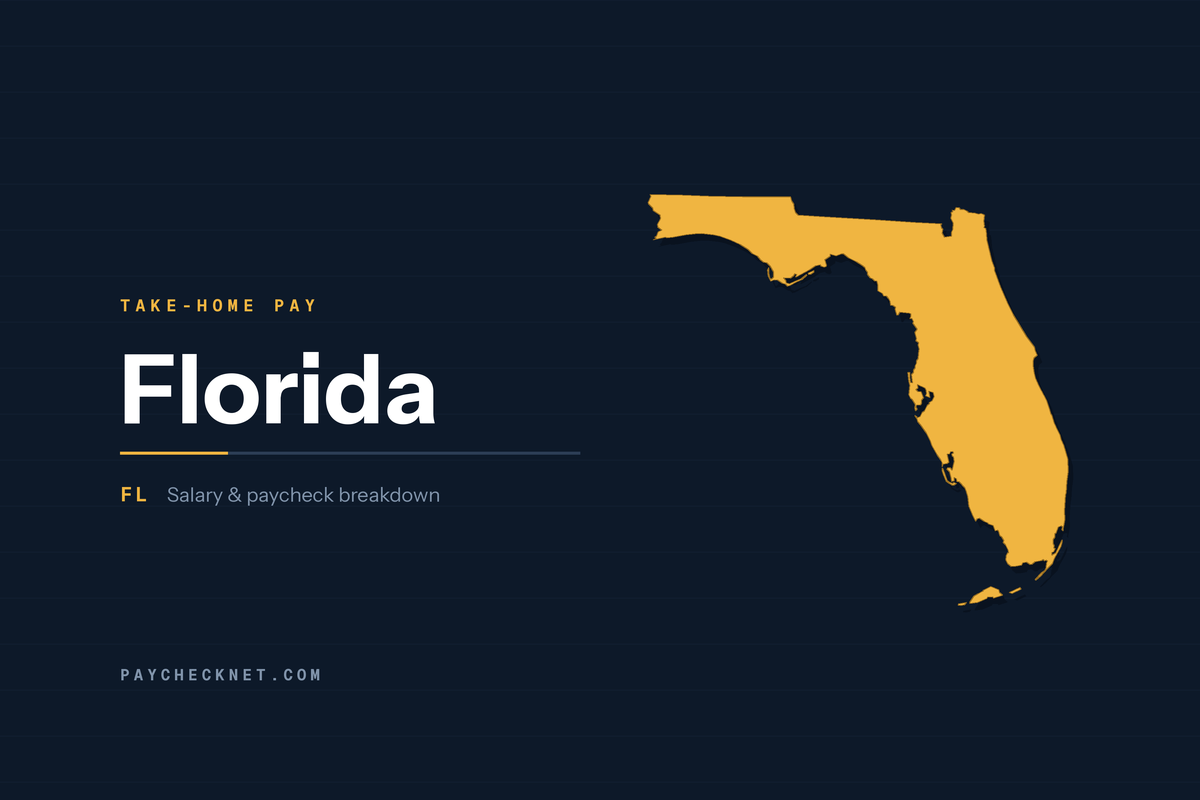
$50,000 After Taxes in Florida
What a $50,000 salary in Florida is really worth after federal tax and FICA, in a state that takes nothing from your wages.
-
Self Employment Tax: The 15.3% People Forget
A practical explanation of self employment tax, the 15.3% Social Security and Medicare layer, the $400 net earnings threshold, W-2 wage interaction, estimated payments, and why side hustlers often owe more than expected.
-

1099-K Forms: Why Gross Payments Are Not the Same as Profit
A practical explanation of Form 1099-K, why gross payment amounts are not the same as taxable profit, how personal sales, business income, reimbursements, platform fees, refunds, shipping, and records affect tax reporting.
-

$75,000 After Taxes in Texas
A $75,000 Texas salary faces federal tax and FICA only. Here is what the 22 percent bracket actually costs you, and what it does not.
-
Estimated Taxes 2026: Who Needs to Pay Quarterly?
A practical guide to 2026 estimated taxes, including who may need quarterly payments, how W-2 withholding interacts with side income, federal payment dates, safe harbor rules, and common mistakes.
-

W-2 Job Plus Side Hustle: Why Your Refund Can Turn Into a Tax Bill
A practical explanation of why W-2 employees with freelance, gig, creator, or small business income can lose their refund or owe tax because side income often has no withholding and may create self employment tax.
-

No Income Tax States: Why Your Paycheck Is Not Automatically Better
A practical explanation of why no income tax states can improve take home pay but may not be cheaper overall once property tax, sales tax, housing, insurance, wages, and remote work rules are included.
-

The Convenience of Employer Rule Explained Without Legal Jargon
A plain English explanation of the convenience of employer rule, why some remote work days can be taxed by an employer state, and what hybrid workers should document.
-
Remote Work Tax Trap: Live in One State, Work for Another
A practical explanation of remote work tax issues when employees live in one state and work for an employer connected to another, including withholding, resident and nonresident returns, credits, reciprocal agreements, and convenience of employer…